
Restoring and colorizing 1920s photos
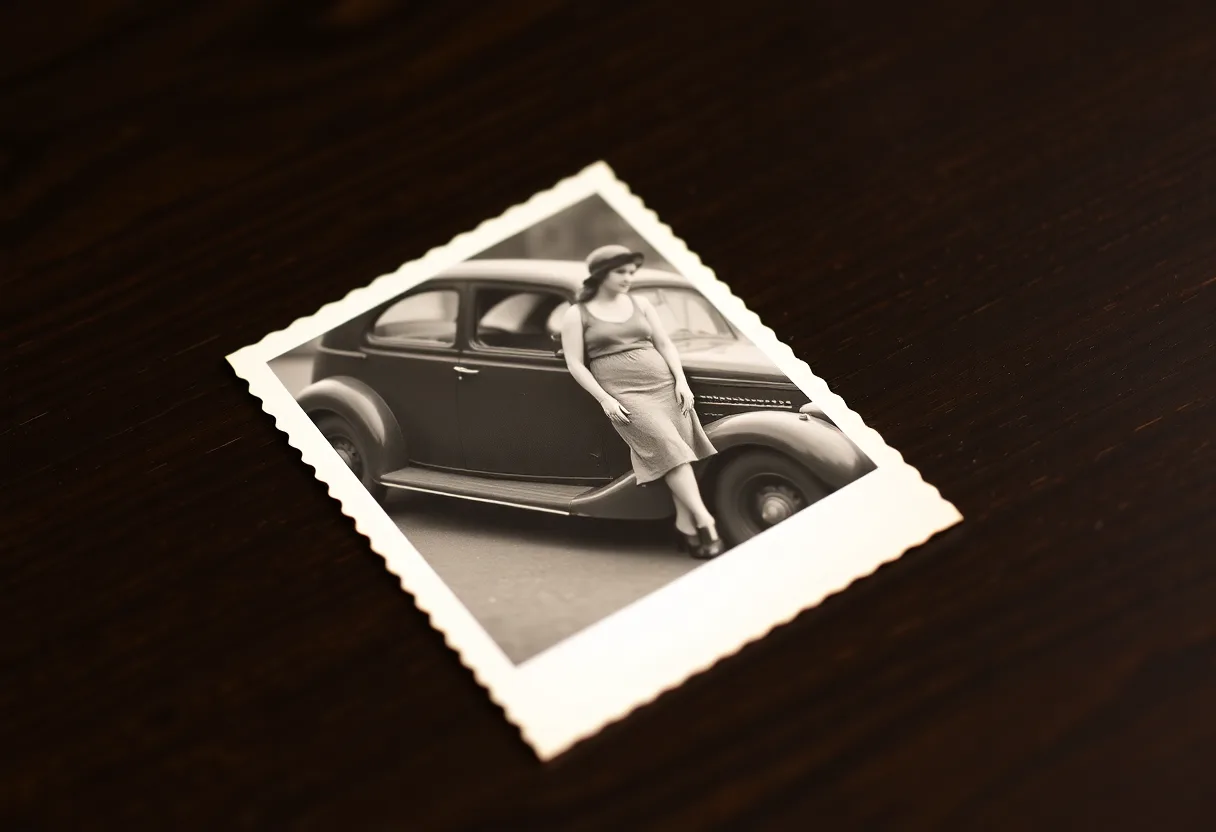
Most family photos from the 1920s are black and white silver prints: small snapshots from box cameras like the Kodak Brownie, and larger studio portraits. They age by fading, silvering and cracking, and they colorize well once restored.
How photos were made in the 1920s
By the 1920s photography had moved into ordinary households. Roll-film box cameras, the Kodak Brownie the best known, produced negatives that were contact printed at the same size, so many family snapshots are only a few centimetres across. Studio portraits were still the norm for weddings and milestones, printed larger on matte or textured paper and often mounted on card. Colour existed as Autochrome glass plates, but it was rare and expensive, so almost every family photo of the decade is monochrome.
How 1920s prints have aged
The silver in the image slowly oxidises and migrates to the surface, which shows as a bluish metallic sheen in the dark areas, called silvering, strongest at the edges. Matte surfaces collect scuffs, card mounts make the print crack as the two shrink at different rates, and album adhesive leaves yellow patches that bleed through from the back.
Recognising a photo from the 1920s
- Small prints with a white or deckled border, from roll-film box cameras
- Matte or textured paper on studio portraits, often mounted on card with the studio’s name embossed below
- Dropped waistlines, cloche hats and bobbed hair in women’s fashion
Colour: restore it or colorize it?
1920s fashion was not muted. Dyes were bright, and evening wear in particular used strong colour, but a colorizer tends to choose safe browns and navies for clothing, which makes the decade look duller than it was. Skin, sky and foliage come out reliably; dresses, cars and painted signs are guesses. Repair silvering and stains first, because a colorizer reads a metallic sheen as a colour.
The tool for this decade is Colorize a black and white photo.
Questions
How were 1920s photos coloured at the time?
By hand. Studios painted prints with oils, watercolours or dyes, which is why some 1920s portraits have soft, pastel colour. Modern AI colorization works from the greyscale tones instead.
Why do my 1920s photos have a shiny silver sheen?
That is silvering: the silver in the image oxidises and migrates to the surface, especially in dark areas and at the edges. Capture the print at a slight angle to the light so the sheen does not glare, and repair it before colorizing.
Going deeper
How to colorize black and white photos walks through the method step by step.