
How to fix cracked photos
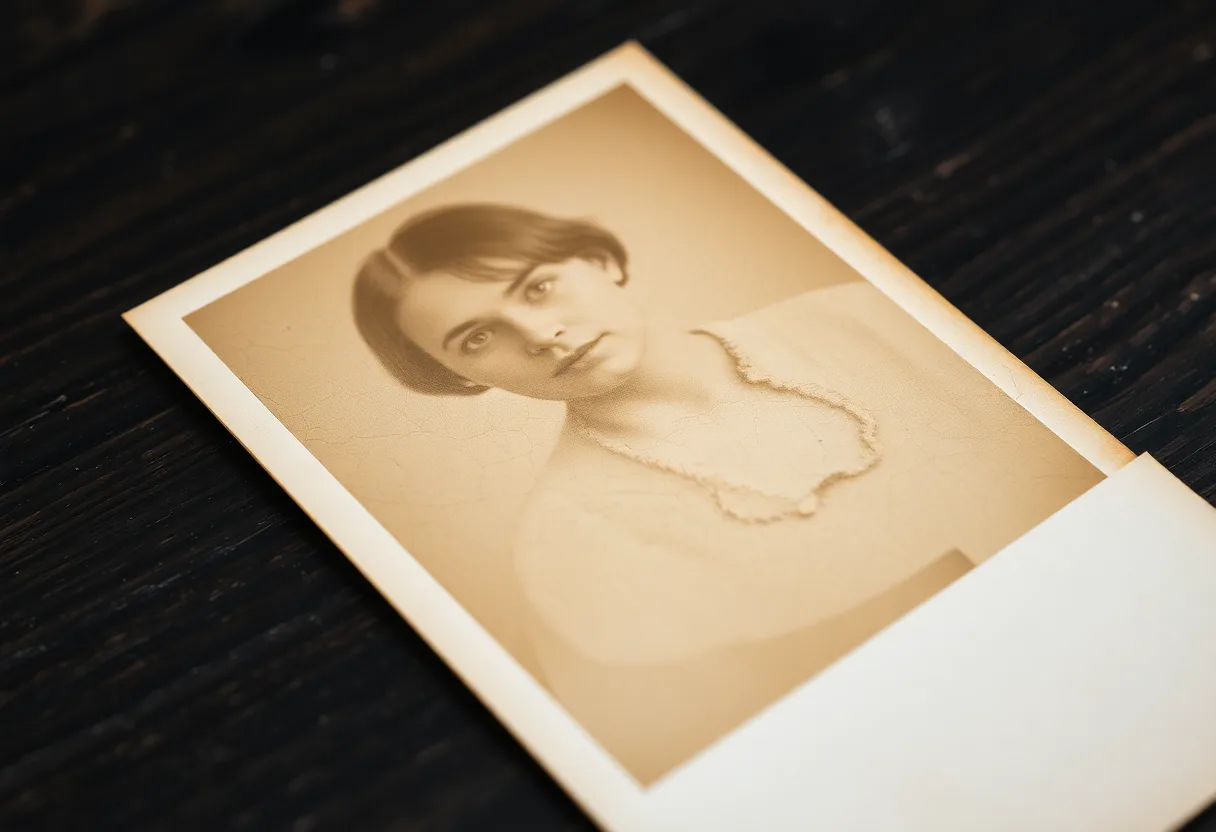
A crack is the image layer splitting as it dries out and the paper flexes underneath it. Handle the print as little as possible, photograph it flat, and repair the copy.
Why the surface splits
The gelatin layer that holds the image grows brittle with age and dry air. Each time the print bends, in an album, a wallet or a drawer, the brittle layer cracks instead of flexing. Older prints mounted on card get a second problem: card and print shrink at different rates, which pulls a fine web of cracks across the whole surface. Where flakes have fallen away, the paper shows through as white specks.
Before you photograph it
- Keep a cracked print flat, and never force a curled one straight; the cracks will spread
- If flakes are lifting, carry the print face up on a stiff board
- Do not press it under glass to flatten it, because loose flakes stick to the glass
Getting a good capture
- Use soft, even light from both sides: light from one side casts a shadow in every crack and doubles their visibility
- Shoot from directly above with the phone parallel to the print, so cracks near the edges stay in focus
What to run, and in what order
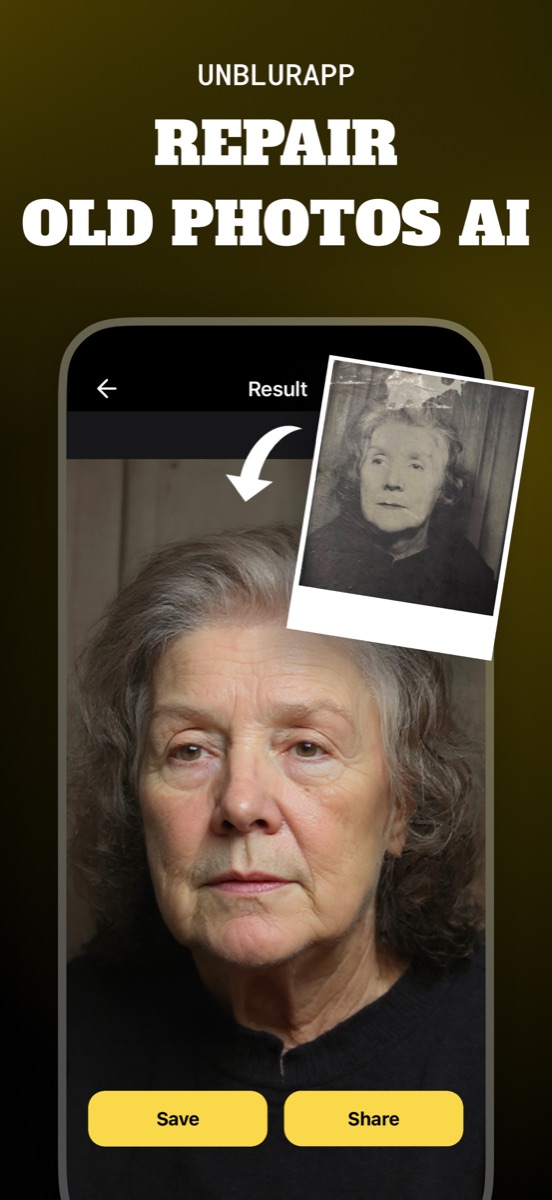
Repair fills cracks the way it fills scratches, from the detail on either side. A web of cracks is denser than a scratch, though, so on a heavily cracked print inspect the result at full zoom and expect some fine texture to be smoothed along with the damage. A face crossed by cracks is worth a Restore Faces pass afterwards.
The tool for this is Repair a damaged photo.
What to expect
Partly fixable. A few long cracks clean up well. A dense crackle across the whole print comes back smoother than the original, with some loss of grain and fine texture.
Practical notes
- Store cracked prints somewhere stable and moderately humid; very dry air makes the cracking advance
- Card-mounted cabinet cards and cartes de visite crack most, so capture those first
- For a framed print that cracked behind glass, photograph it in the frame rather than risk taking it out
Questions
Why is my old photo cracking?
The image layer has dried out and become brittle, so it splits whenever the print bends. Card-mounted prints also crack because the card and the photo shrink at different rates.
Can cracks across a face be fixed?
They can be filled, and a face restoration pass helps afterwards. Because the model rebuilds what was under each crack, compare the eyes and mouth with the original before you print.
Going deeper
How to restore old damaged photos explains the method behind this, including what it cannot fix.